

Poul Henningsen
A rebel by design. A humanist by method.
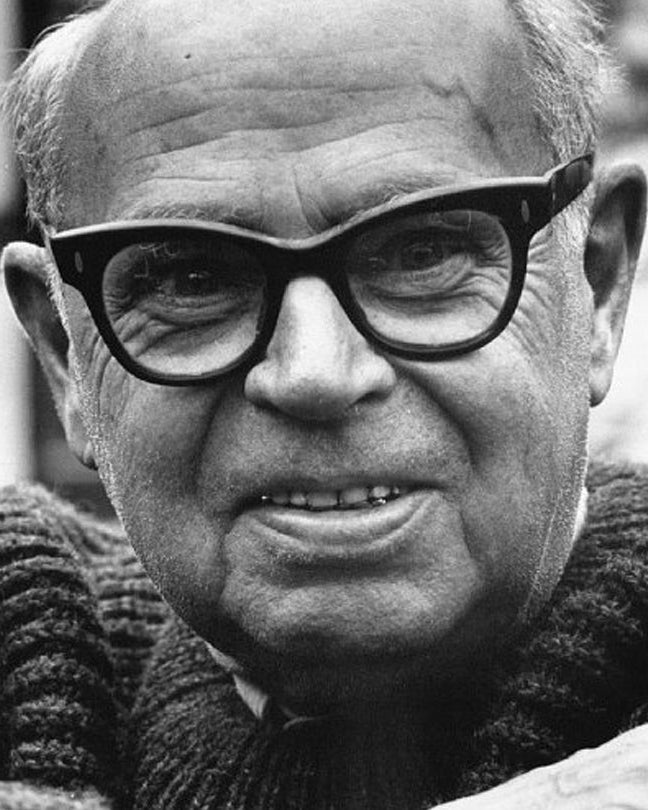
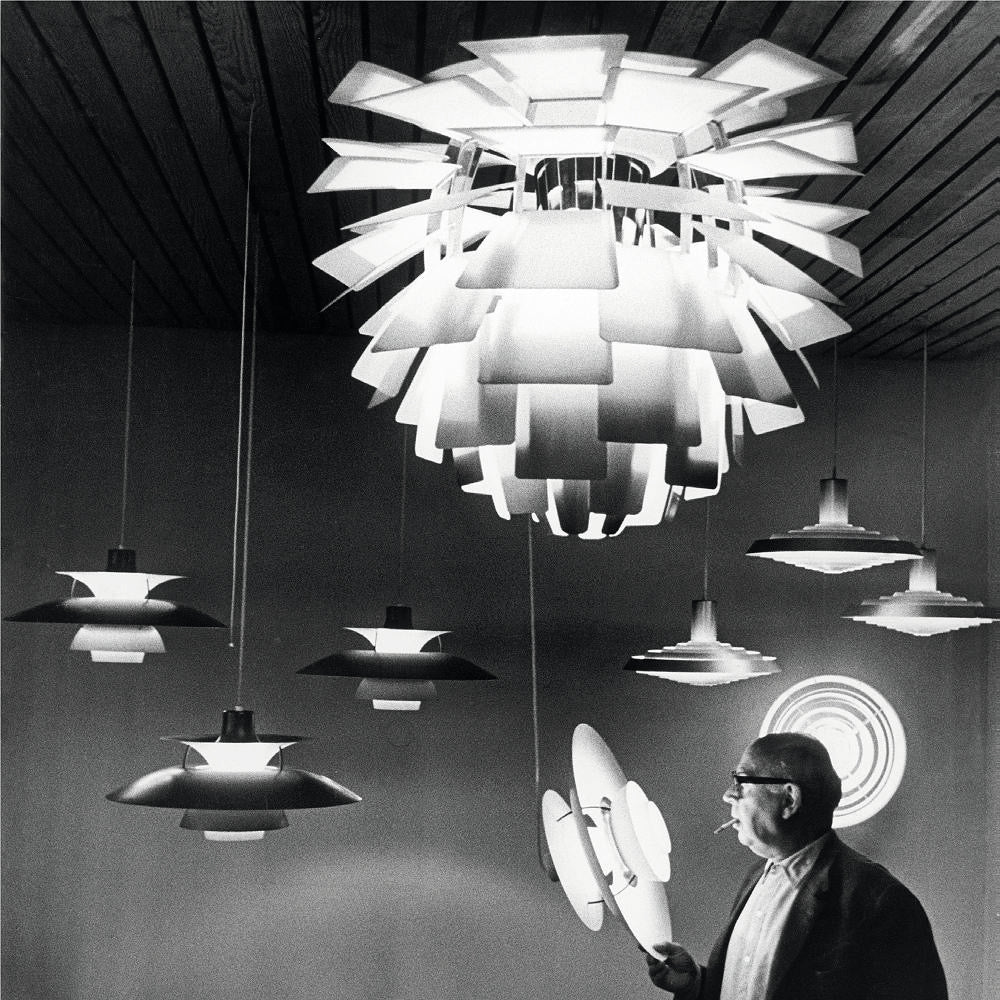
Poul Henningsen - often known simply as PH - was a Danish architect, writer, critic, and one of the defining cultural voices of modern Denmark. He is celebrated worldwide for his lamps: a rigorous, almost scientific pursuit of light made comfortable - soft, controlled, and free of glare. But PH’s ambition reached further. He wanted modern life to be clearer, more humane, and more honest - through objects that work, and ideas that hold up under use.
That same thinking shaped his furniture - and, in 1930, the PH Grand Piano, where he challenged the traditional “black box” by letting structure and function speak more openly. Whether he worked in steel, wood, or an instrument’s mechanics, PH returned to the same principle: let construction be visible, let materials do their work, and remove everything that does not serve the room.
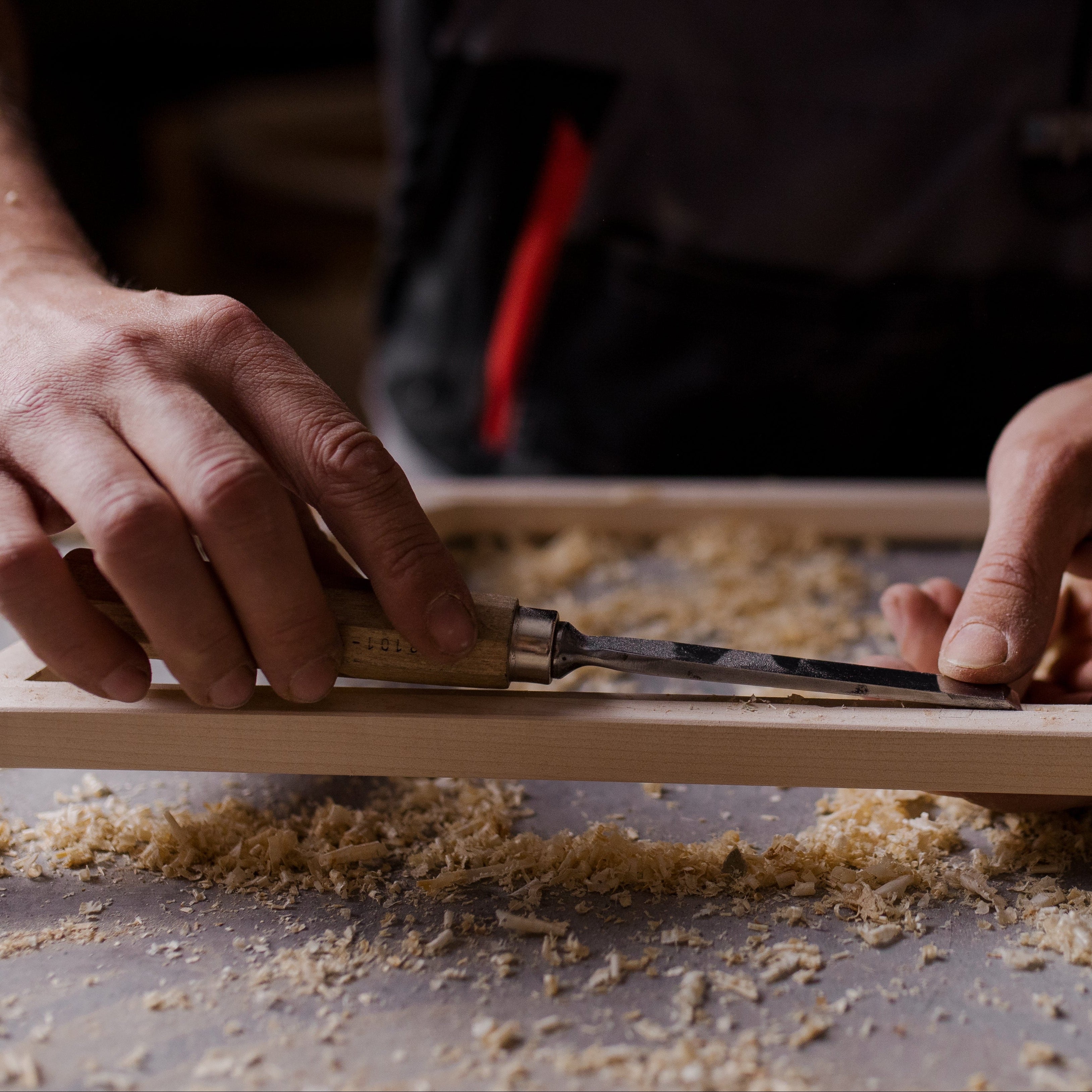
PH moved in Copenhagen’s radical circles, but his instincts were always practical. As a child he spent formative years placed with a carpenter family, where tools and materials were daily reality. That experience stayed with him. Even as he became a public intellectual, his design thinking remained grounded in the essentials: how something is made, how it carries weight, how it meets the body - and how it belongs in a space.
A modernist with a sharp pen
PH’s influence in Denmark was not only built through design - it was argued into place. He wrote, edited, and criticised with the conviction that design and architecture shape society, not just taste. In the late 1920s he was a key driving force behind Kritisk Revy, a journal that became an ideological platform for functionalism in Danish and Nordic architecture and design.
This matters for the furniture. Because for PH, functionalism wasn’t a style. It was a demand:
- that objects should be understood at a glance
- that structure should be visible rather than disguised
- that material should do its own work
- that comfort should come from proportion and logic, not ornament
Furniture: structure made visible
In the early 1930s, PH explored furniture in tubular steel - an international material language closely associated with modernism and the Bauhaus era.
Steel allowed a new kind of clarity: the line could carry the load; the frame could be drawn in space; the construction could become the expression.
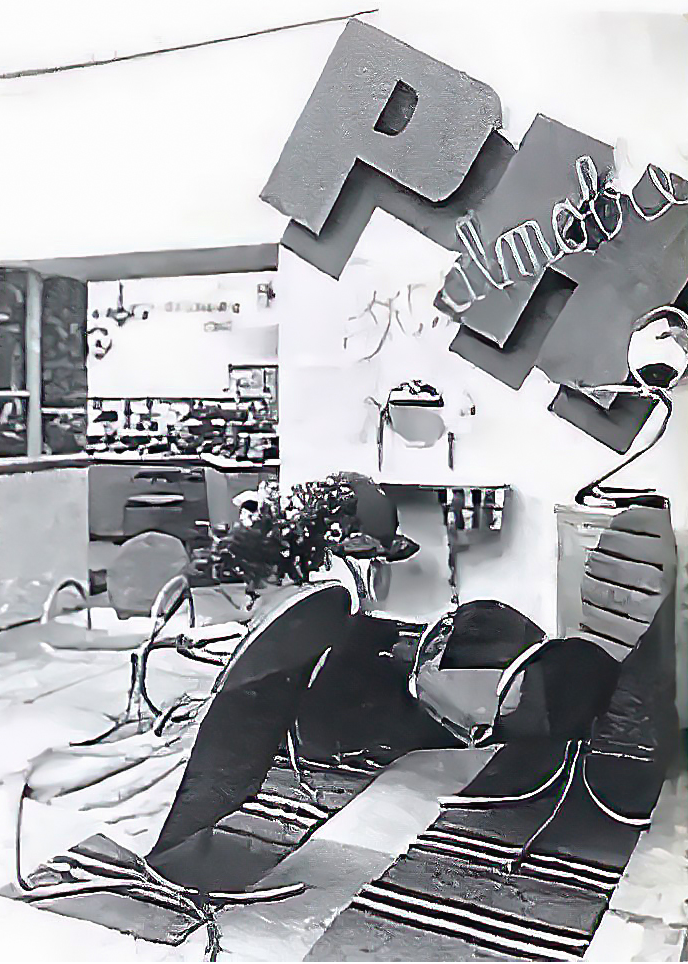
In 1932, PH presented a collection of eight steel tube furniture designs at the Danish Fair for Industrial Design and Products. The designs received attention for their innovative character - especially because their bold yet controlled forms were made in steel rather than wood.
Yet the furniture did not reach mass production, nor was it marketed as a production line during his lifetime.
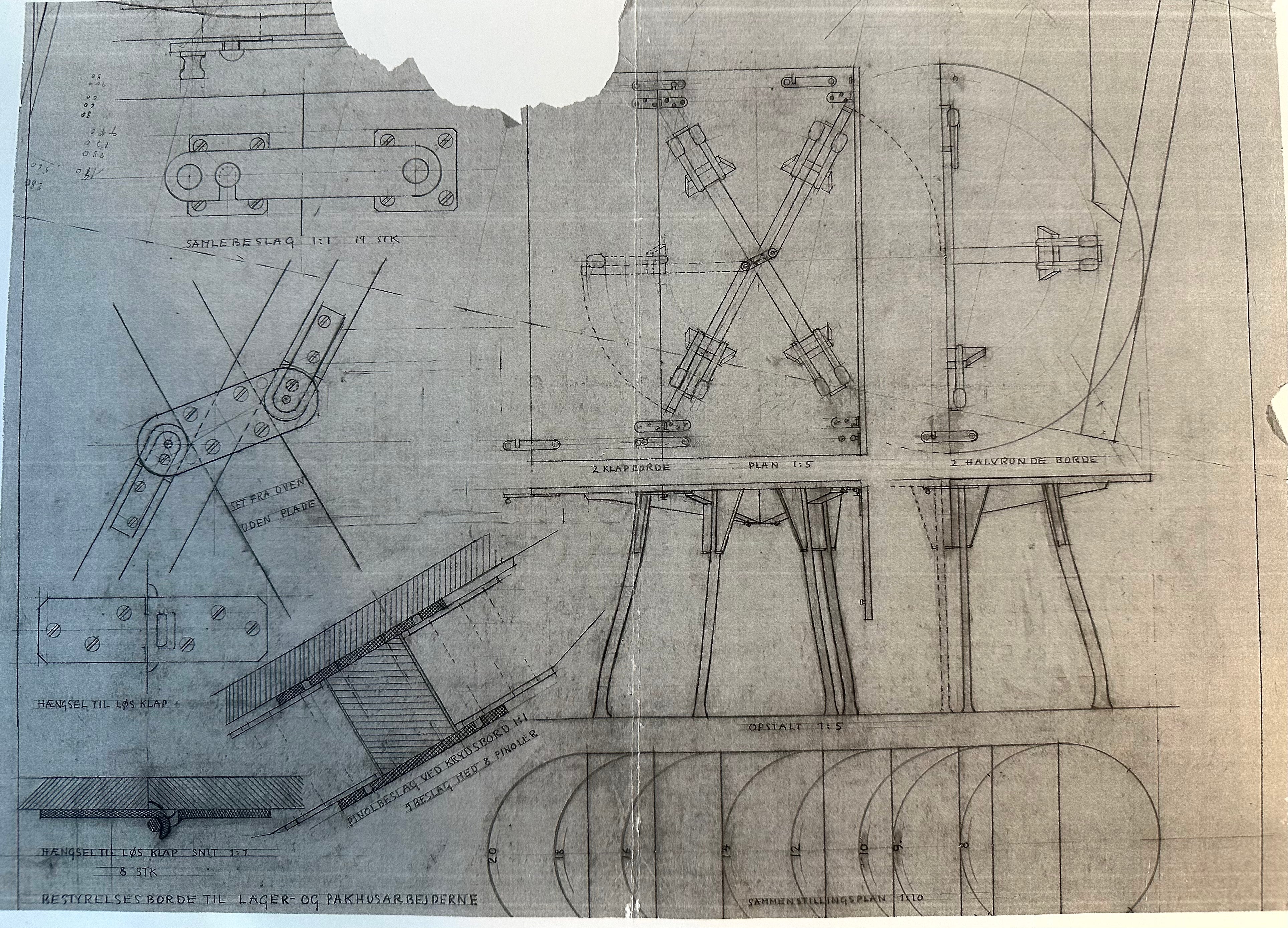
That tension - recognized, discussed, but not broadly produced - helps explain why PH furniture feels “new” today. The designs have been present in Danish design history, but often as references: photographs, drawings, museum pieces, and occasional sightings rather than a consistent collection you could actually live with.
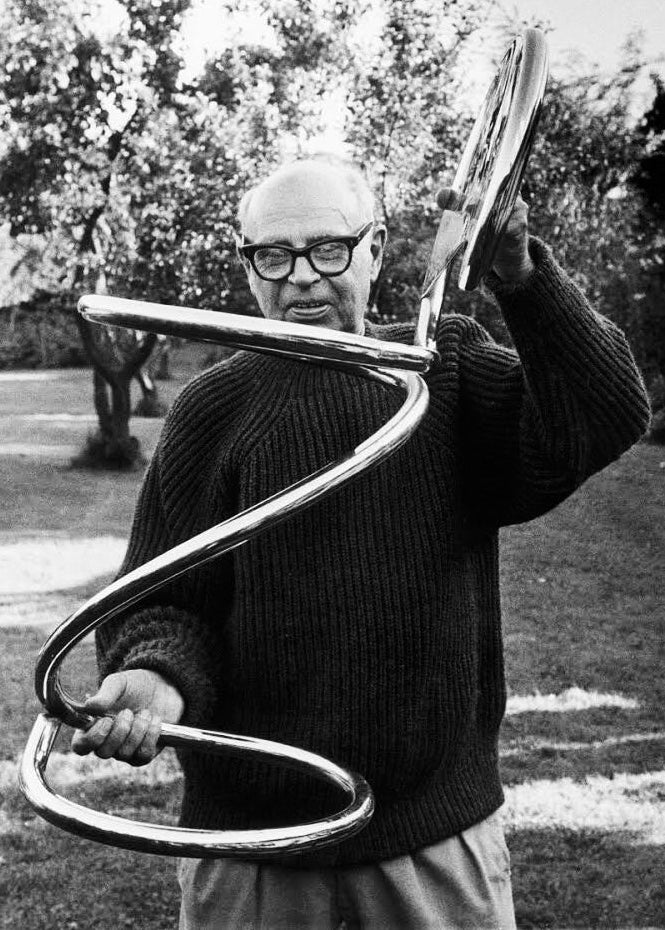
one line, one idea
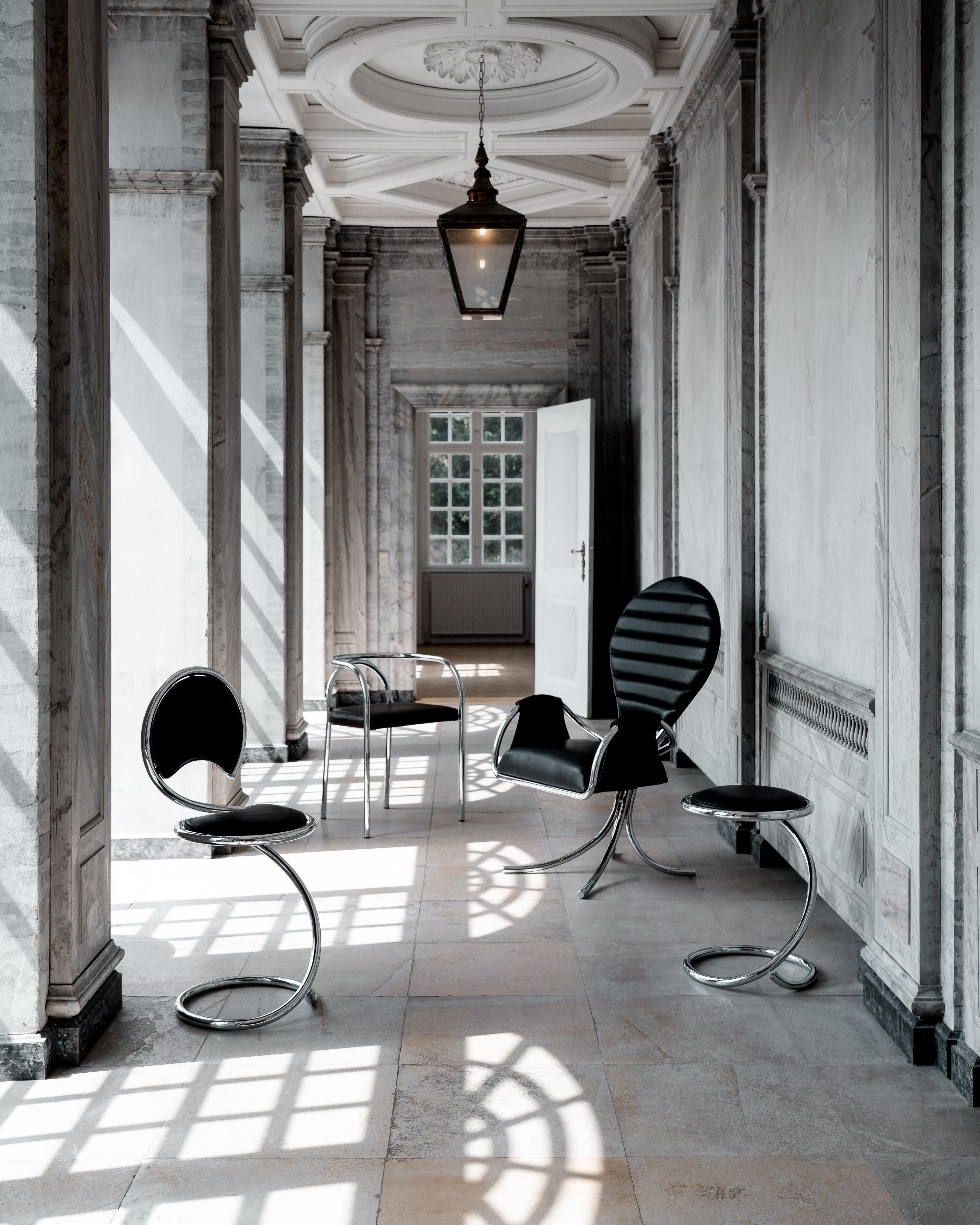
PH Snake Chair
One of the clearest statements from this period is the Snake Chair (Slangestolen), 1932. Designmuseum Danmark describes it as PH’s attempt to surpass the well-known cantilever chairs of the time by making a construction in principle with only one “leg,” formed from a single bent steel tube.
This is PH’s furniture thinking in condensed form:
- one structural decision, carried through without compromise
- a readable logic where the curve is both structure and silhouette
- an object that looks open, because it is open
The chair is not about being decorative. It is about being convincing.
What to look for in PH furniture
PH furniture rewards attention at the level of construction. If you want to “read” the designs, start here:
- Legible frames
The object explains itself. The load path is visible. Nothing is added to hide how it works. - Open air around the body
Steel allows lightness and negative space. The furniture doesn’t block the room; it shapes it. - Precise junctions
Where tubes meet, where surfaces turn - this is where quality lives. PH’s language depends on accuracy. - Calm proportion
The designs have presence without loudness. They are meant to sit in a room for a long time.
This is why PH remains relevant: not because of a nostalgic “look,” but because the method produces objects that still make sense.
From archive to production
Poul Henningsen’s furniture designs have long existed as drawings and rare archival images - yet never as a contemporary production collection. Working from original source material, and in close collaboration with design historians, we have translated the designs into precise production drawings - so the pieces can finally be made again.